
Celebrating 120 Years: The Cuban Jewish Community's Rich Heritage


Jewish Cuba represents one of the most unique and lesser-known Jewish communities in the Americas. As we mark 120 years of organized Jewish life in Cuba, this milestone highlights a powerful story of migration, cultural identity, and resilience that continues to attract travelers, historians, and those seeking meaningful heritage experiences.
The Origins of Jewish Cuba (1906–1920s)
The roots of Cuban Jewish Community date back to 1906, when the United Hebrew Congregation was established in Havana. This marked the beginning of structured Jewish communal life on the island.
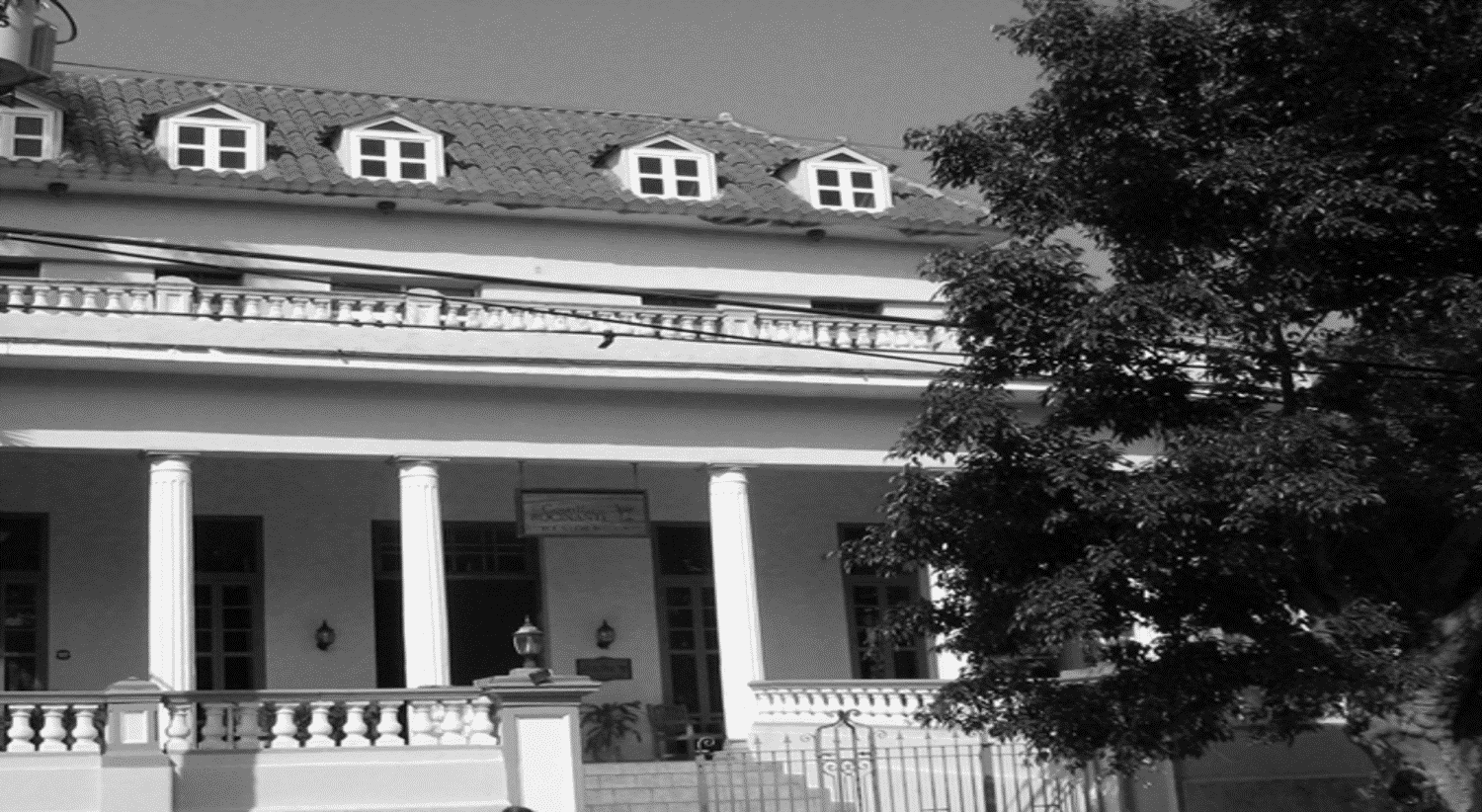
Although Jews had been present in Cuba since colonial times, it was in the early 20th century that Jewish Cuba began to take shape as a recognized and organized community. Early members included immigrants from the United States, soon followed by larger migration waves.
Migration and Growth of Jewish Cuba: The Golden
The development of the community was driven by three major migration groups:
- Sephardic Jews from the former Ottoman Empire (Turkey, Greece, Balkans)
- Ashkenazi Jews from Eastern Europe (Poland, Russia)
- Jewish refugees escaping Nazi persecution in the 1930s and 1940s
These groups contributed to the rich diversity of Jewish Cuba, creating a multicultural community with synagogues, schools, businesses, and social organizations

By the 1950s, Jewish Cuba reached its peak with approximately 15,000 members, primarily in Havana.
During the first half of the 20th century, Jewish Cuba flourished both culturally and economically. Havana became home to:
- Active synagogues and Jewish institutions
- Hebrew schools and cultural centers
- Jewish-owned businesses integrated into Cuban society
- This period is often referred to as the “golden age” of Jewish Cuba, where
- Jewish identity and Cuban culture coexisted in harmony.

The Impact of the Cuban Revolution
The Cuban Revolution of 1959 dramatically transformed the life of the Jews in Cuba. Economic changes and nationalization policies led to a massive emigration.
Approximately 90% of the Jewish population left Cuba, relocating mainly to the United States (especially Miami) and Israel.
Despite this exodus, a small but committed community remained, preserving the foundations of Jewish Cuba.
Jewish Cuba Today: Revival and Identity
Today, the Jewish Communty in Cuba is a small but active. We are less than 1,000 members, primarily based in Havana.
Since the 1990s, there has been a revival of Jewish life, supported by international donors such as the JDC, the Cuban Jewish diaspora and the American Jewish Community.
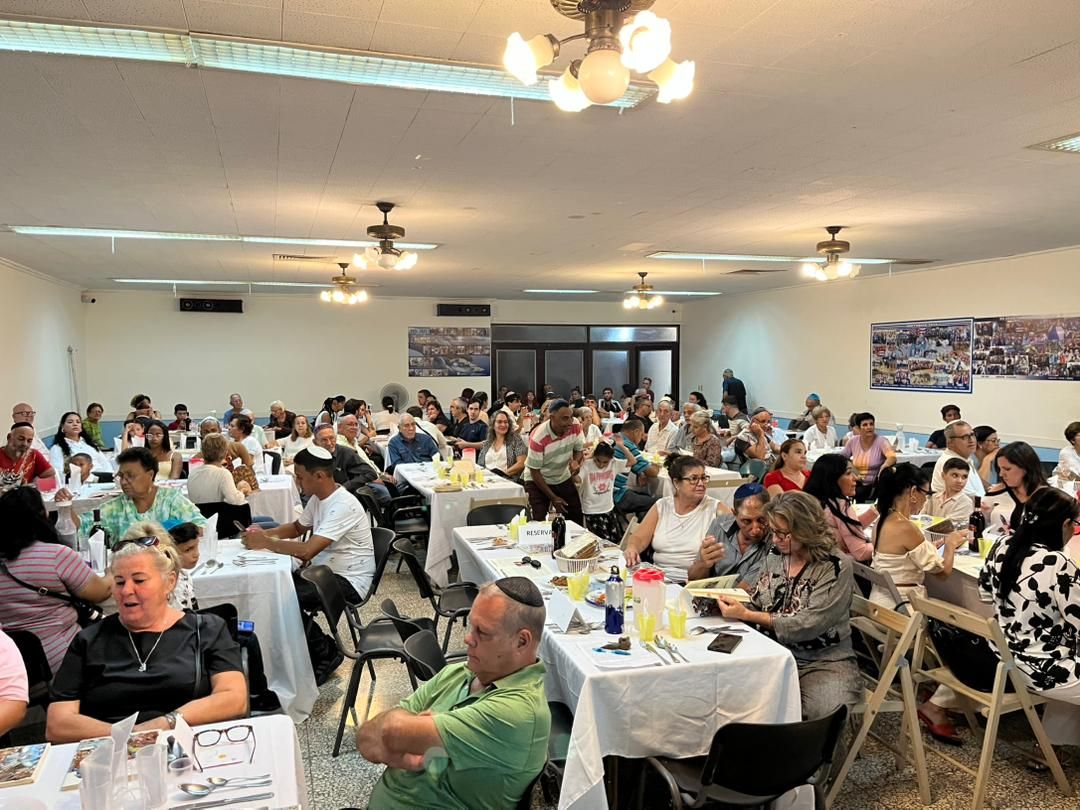
Visitors exploring a jewish cuba tour today can experience:
- Historic synagogues in Havana
- Jewish cemeteries and heritage sites
- Cultural traditions preserved across generations
- This revival has also positioned Jewish Cuba as a growing destination for Jewish heritage tourism.
Jewish Cuba and Heritage Tourism
Interest in Jewish Cuba has grown significantly in recent years. Travelers from the United States, Israel, and beyond are increasingly searching for:
- Jewish history in Cuba
- Jewish heritage tours in Havana
- Cultural and religious experiences in Jewish Cuba
- Exploring Jewish Cuba offers a unique perspective on both Cuban history and global Jewish migration.
For those interested in authentic experiences, guided tours provide access to local communities, synagogues, and stories that are not widely known.
Carrying the Legacy of Jewish Cuba
As a Cuban Jew, being part of this community today is more than a cultural identity—it is a profound responsibility and a deep source of pride.
To inherit a legacy of over 120 years means carrying the stories of those who arrived with hope, who built communities from nothing, and who preserved their traditions through times of uncertainty. It means understanding that Jewish Cuba is not just history—it is a living narrative that continues through each of us.
Growing up connected to this heritage, I feel a strong sense of continuity. The same streets of Havana that once welcomed Sephardic merchants and Ashkenazi families are still alive with memory. The synagogues, the traditions, and even the silence left by those who emigrated are all part of what defines Jewish Cuba today.
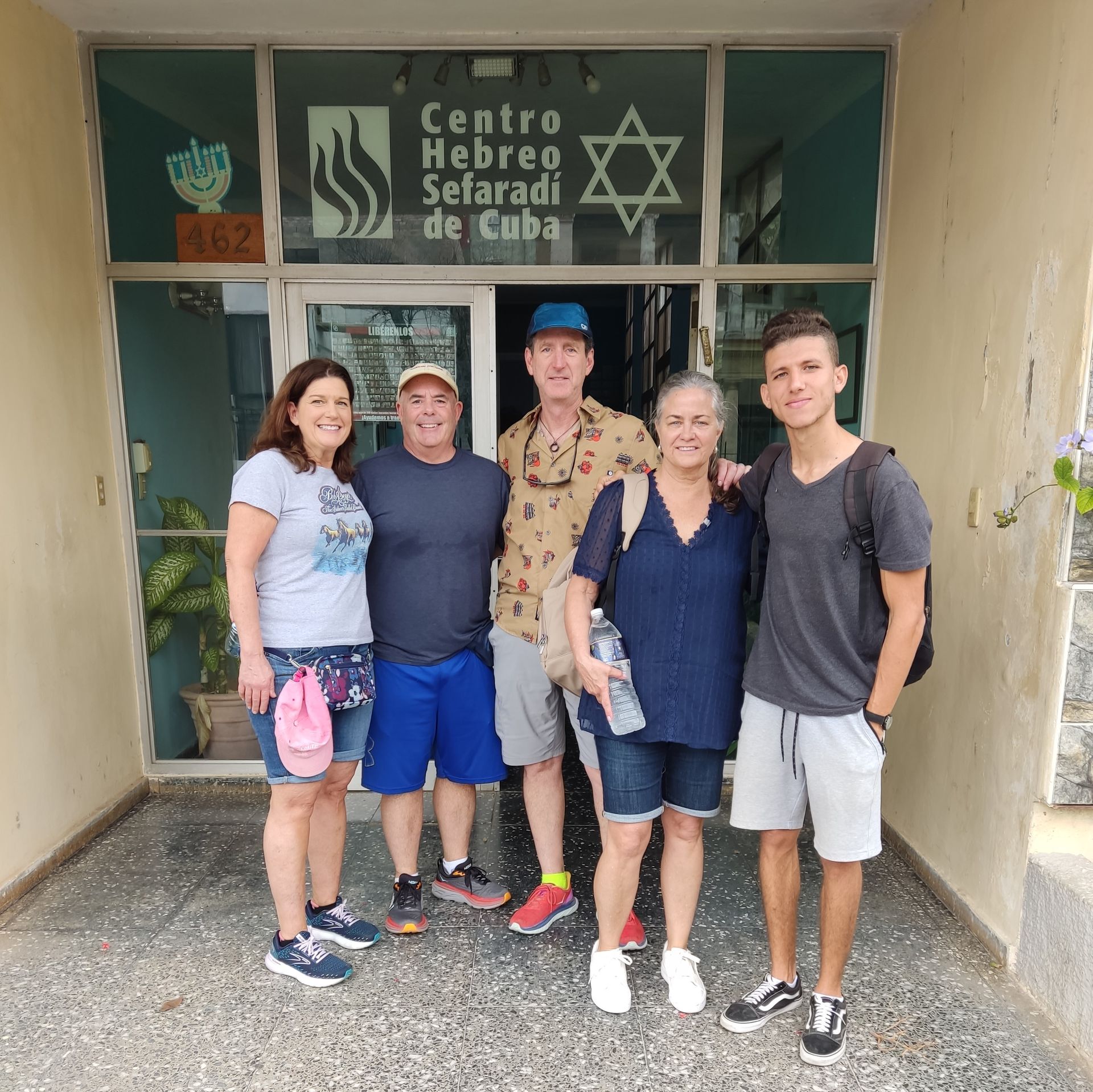
There is also a deep emotional connection to those who left. The Cuban Jewish diaspora, especially in places like Miami, is not separate from us—it is an extension of it. We share the same roots, the same history, and the same identity, even across borders.
For me, honoring these 120 years is about more than remembrance. It is about preserving, sharing, and telling the story of Jewish Cuba to the world. Through cultural exchange, education, and initiatives like heritage tours, we ensure that this legacy does not fade, but instead continues to grow.